Best CRM for Events 2026: 5 Top Picks for Promoters
Best CRM for events in 2026: Nevent, HubSpot, Klaviyo, Salesforce & Mailchimp compared on real pricing and ticketing integrations for event promoters.
What agentic marketing means for live event promoters, how it differs from traditional automation, what an AI assistant can do with your event data, and how to get started without a technical team.
If you’ve been organizing events for more than three years, you know the scene. It’s eleven on a Sunday night, you’re eight weeks out from your next edition and you need to decide what to do tomorrow Monday: launch the second email to your historical database, open general on-sale, or wait. The answer lives in your CRM, but the dashboard is closed and tomorrow is Monday at nine. You decide by gut.
That’s exactly what agentic marketing comes to change.
Agentic marketing is the practice of delegating to an AI assistant tasks that until now were done by people. It’s not automation in the classic sense — where you configure a flow and the system executes it — but more like having a very smart intern you tell: “look at the last festival’s sales and tell me which channel worked best”, and you get it solved in thirty seconds.
In the live events sector (festivals, clubs, concerts, venues, sports events, shows), the difference shows from day one. The promoter spends most of their time deciding blind or waiting for someone on the marketing team to send them the data. With an AI assistant connected to their event CRM, that friction disappears: the answer comes in natural language, the moment it’s asked.
Four things that couldn’t be done from a chat before:
Analyze. You ask in English (or Spanish) anything about your event and the AI queries the CRM, reads the data, returns the answer. “Compare this edition’s sales vs the previous one by channel”, “which ticket type had the best early bird conversion”, “pull the regulars from the last month who haven’t come to the club in two weeks”. Without opening the dashboard.
Segment. You describe the profile you want and the AI creates the segment, validates the size and leaves it ready in your CRM. “Returning attendees from Madrid and Barcelona who haven’t opened an email in six months”. The segment appears in your base like any other, ready to use.
Prepare campaigns. From the segment, the AI can draft email, SMS or WhatsApp copy aligned with your brand, recommend the optimal send time and leave the campaign queued. You review, adjust if you want, and approve. The action never executes without your sign-off.
Generate reports. Ask for an executive report for the last quarter with sales by channel, fan retention, marketing attribution per event and year-over-year comparison. The AI hands it back formatted, ready to paste into the team Slack or the board deck.
Classic automation works with rules: if an attendee opens three consecutive emails, tag them as “engaged”. If they don’t open any in sixty days, send them a reactivation campaign. It’s useful, but rigid. If your audience’s behavior changes tomorrow, the rules stay.
Agentic marketing works with goals. You give it a destination, not a recipe. “I want to reactivate as many inactives as possible before next Friday with a low SMS budget”. The agent decides how to segment, which channel to use, what copy to write and which time slot works best based on real data from the last month — not based on a rule you wrote a year ago.
| Aspect | Marketing automation | Agentic marketing |
|---|---|---|
| Setup | Fixed predefined flows | Goals in natural language |
| Adaptation | Static until someone changes it | Adjusts to current data |
| Interface | Drag & drop UI or nested IFs | Chat with an AI assistant |
| Learning curve | High — requires training or tech team | Low — if you can ask, you can use it |
| Operational cost | Team maintains the flows | The agent adapts on its own |
It doesn’t replace classic automation, it complements it. Automation is good for the critical flows that always run the same (welcome flow, purchase confirmation). Agentic marketing covers everything that previously required human thinking.
The technical barrier of agentic marketing applied to events is, today, much lower than people think. The reason is MCP (Model Context Protocol), an open standard created by Anthropic in 2024 and adopted by OpenAI shortly after. MCP is what allows any compatible AI assistant — Claude Desktop, ChatGPT, Cursor — to connect to your CRM without custom integrations.
For a promoter already using Nevent, the path is:
No development, no technical configuration, no long onboarding. The learning curve is the same as any chat tool: if you can ask, you can use it.
The first use case is usually the simplest and the one with the most immediate impact: post-event analysis. You finish a festival on Saturday, Monday you ask Claude for the key KPIs, Wednesday you have the next edition prepared. What used to be a full week of cross-referencing Excel with the event analytics tool now is a twenty-minute conversation.
From there, promoters who get more ambitious start using it to prepare campaigns with live segments, generate reports for partners and investors, and eventually to automate the conversational part of support. But there’s no rush: the value is in the first use case, the rest follow.
A final note. There are many generic agentic marketing platforms (Klaviyo, HubSpot Breeze, Salesforce Agentforce, Adobe). They work well for e-commerce, SaaS B2B or retail. But the live events sector has its own rules that none of them know well: concentrated seasons, very different purchase behaviors between festival and club, integration with specific ticketing platforms, attribution that lasts weeks instead of days.
That’s why an AI assistant connected to a CRM designed for live events understands things a generalist marketing agent doesn’t: that a fan who bought early bird in February and didn’t interact again until June isn’t churn, it’s seasonality; that a nightclub’s decision window is measured in hours and not weeks; that sponsor activations need live segmentation, not static lists.
If your event is live entertainment, the agentic marketing that fits you isn’t the generic one. It’s the one built on the sector’s data.
Best CRM for events in 2026: Nevent, HubSpot, Klaviyo, Salesforce & Mailchimp compared on real pricing and ticketing integrations for event promoters.
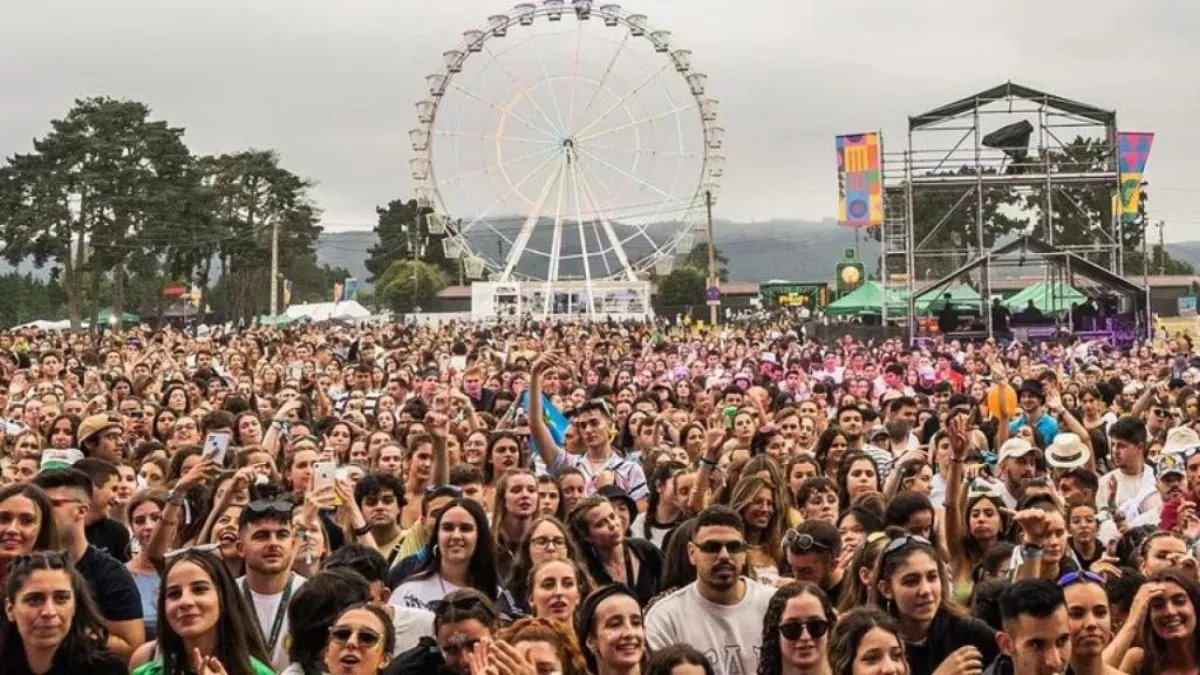
Sending the same email to your whole list is not segmentation. This guide presents the full audience segmentation framework for festivals: the 5 key segments, the data you already have, and the messages that convert in each case.
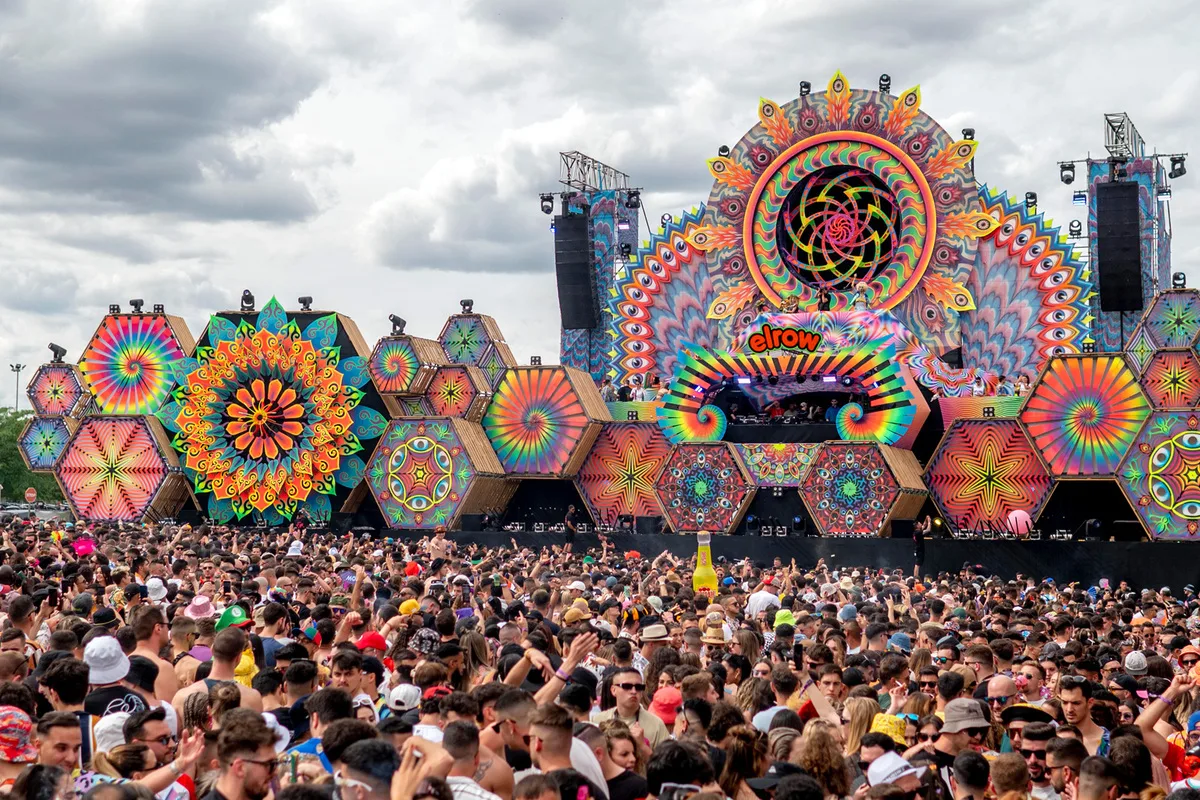
Practical comparison of the four most relevant agentic marketing platforms in 2026 by the sector they serve: Klaviyo (e-commerce), HubSpot Breeze (B2B SaaS), Swoogo (B2B corporate events) and Nevent AI (live events).
Learn how Nevent can take your events to the next level
Leave us your email and we will send you ideas, guides, and updates to get the most out of your marketing
Leaving?
We will email you the full audience segmentation guide for festivals and events. Free, no spam.